


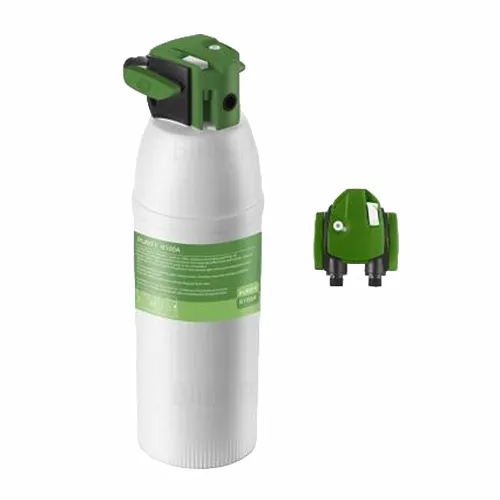
◆ With Resin and Coconut carbon filter
◆ Set the how much percentage need to filter from 0% to 70%
◆ With bypass valve no need to close the T valve
◆ Customize the TDS,...
Coffee Machine Water Filter
What is Coffee Machine Water Filter
A coffee machine water filter is a device designed to improve the quality of the water used in coffee machines by removing impurities, chlorine, odors, and sometimes minerals that can affect the taste of the coffee. These filters typically come in the form of replaceable cartridges or pods containing activated carbon or other media.
Why Choose Us
01/
Our History
Ningbo Blue Pluser Appliance Co.,Ltd sarted from bottled water since 1995 make bottled water, bottled water pump, bottled water handle etc.
02/
Our Factory
With 300 skilled professionals and seven advanced production lines, our factory is a testament to precision engineering and technological prowess.
03/
Our Certificate
We have the NSF, Water Mark, LFGB, FDA, SGS, WQA, CE, RoHS, UL, CCC, ISO 9001, ISO 14000:14001 certifications.
04/
Product Application
Our water filtration systems find application across diverse sectors, including, reverse osmosis water filtration, coffee machine filter, residential, commercial, and industrial settings.
05/
Production Market
Our footprint extends across the globe, with products reaching over 50 countries. The international market presence is a testament to the trust and confidence that customers place in our water filtration solutions.
06/
Our Service
Beyond manufacturing, Blue Pluser places a strong emphasis on customer satisfaction. Our commitment to service goes beyond the sale, as we provide comprehensive support to our customers.
-
![Adjustable TDS Coffee Machine Water Filter]()
-
![Adjustable Hardness Coffee Machine Water Filter]() Adjustable Hardness Coffee Machine Water Filter◆ With Resin and Coconut carbon filterread more
Adjustable Hardness Coffee Machine Water Filter◆ With Resin and Coconut carbon filterread more
◆ Set the how much percentage need to filter from 0% to 70%
◆ Longevity for carbonate hardness reduction
◆ Constancy hardness... -
![Coffee Machine Water Filter Add Mg2]() Coffee Machine Water Filter Add Mg2◆ With Resin and Coconut carbon filterread more
Coffee Machine Water Filter Add Mg2◆ With Resin and Coconut carbon filterread more
◆ High flow with longevity
◆ Set the how much percentage need to filter from 0% to 70%
◆ Longevity for carbonate hardness reduction


How do Coffee Water Filters Work?
Coffee water filters are designed to reduce the amount of contaminants in water in order to achieve ideal brewing quality.
They also have scale inhibitors to protect your coffee machine from scale-related damage. Most coffee water filters use a combination of the following filtration techniques:
Mechanical Filtration
The filtration media acts like a sieve, blocking contaminants which are larger than the holes in the filtration media. This is a simple and effective way to block sediment, algae, dirt, and metal particles.
Sediment filters can be made from a variety of materials including food grade polypropylene and metal mesh.
Most Coffee Machine Water Filter will use mechanical filtration as the first stage of their filtration process. This approach reduces these contaminants before they can clog up the carbon block or granular activated carbon used in subsequent stages.
Adsorption Filtration
This type of media can adsorb contaminants from water as they flow past. The most common material used for absorption filtration is Activated Carbon.
Activated Carbon has microscopic pores on its surface which trap chlorine, metal, sediment, VOCs, pesticides, herbicides, and other contaminants. After several months, the carbon's pores become full and the filter will need to be replaced.
Sequestration
Sequestration water filters work by chemically isolating a contaminant. The most common form of sequestration filtration media contained within Coffee Machine Water Filter is polyphosphate.
Polyphosphate sequesters (binds up) contaminants so they maintain their solubility in water. Polyphosphate is primarily used in Coffee Machine Water Filter to bind up calcium and magnesium, so it cannot harden to form scale.
Ion Exchange
Ion exchange resin is bead-like substance made from an organic polymer substrate.
The resin beads are porous, providing a large surface area with tiny cracks capable of trapping and releasing ions (particles, atoms or molecules with a net electrical charge).
Ion exchange resin is very effective at trapping contaminants like magnesium and calcium carbonate, which are primarily responsible for scale.
The resin will exchange the ions found in hard water for sodium or hydrogen ions, which are completely harmless.
Electron Exchange (Redox Filtration Media)
Some forms of filtration media use electrochemical reactions to filter water. These products exchange electrons with the contaminants in your water, turning them into compounds that are harmless for human consumption. This chemical process is called an oxidation/reduction (redox) reaction.
KDF55 is the most common form of media which uses the redox process. It is a 50/50 blend of copper and zinc. As oxygenated water flows through this combination of metals, an electrochemical reaction causes contaminants to either loose or gain electrons.
Chlorine, for example, will lose electrons to the copper molecules, which causes it to turn into chloride – an inert compound with very little taste and odour. It can even reduce scale by converting the crystal structure of calcium carbonate, changing it into aragonite.
What is the Importance of a Coffee Machine Water Filter
Importance of Water Quality
The quality of water used in brewing coffee significantly impacts the taste and aroma of the final product. Water filters help improve the taste by reducing impurities and minerals that can negatively affect the flavor.
Types of Water Filters
There are various types of water filters available for coffee machines. Some common ones include activated carbon filters, ion exchange filters, and reverse osmosis filters. Each type has its own method of filtering and removing impurities from the water.
Filtration Level
Different water filters have varying capabilities to remove specific contaminants and minerals. Look for filters that can effectively reduce chlorine, sediment, heavy metals, and other impurities commonly found in tap water. Consider the water quality in your area and choose a filter that suits your needs.
Compatibility
Ensure that the water filter you choose is compatible with your coffee machine. Some machines have specific filtration systems designed for their models, while others might require an external filter that can be attached to the water supply.
Maintenance and Replacement
Regular maintenance and timely replacement of water filters are essential to maintain optimal performance. Follow the manufacturer's instructions regarding filter replacement intervals to ensure consistent water quality.
Cost Considerations
Water filters vary in terms of cost, with some requiring more frequent replacements or specialized cartridges. Consider the long-term costs associated with maintaining and replacing filters when making your selection.
Do Coffee Machine Water Filter Filter Water?
Coffee Machine Water Filter, commonly used in the process of brewing coffee, can also serve as an effective and economical way to filter water. These filters, predominantly made of paper, are specifically designed to trap sediment, dirt, and other particulates in drinking water, reducing the presence of harmful contaminants, such as lead, pesticides, and other toxins.
Basic Filtration System
To set up a simple filtration system using Coffee Machine Water Filter, follow these steps:
Collect the water that you want to filter into one large container, preferably with a pouring lip.
Set up a separate large container or a series of bottles to receive the filtered water.
Place the coffee filter(s) over the receiving container(s), ensuring it is secure and stable.
Slowly pour the collected water through the coffee filter, allowing it to gradually filter the water.
Discard the used coffee filter once it becomes clogged or slows the filtration process.
Remember that pre-filtering water through Coffee Machine Water Filter helps in removing the larger debris and a significant amount of dirt, which can extend the life of a conventional water filter by reducing its workload.
Filtration Efficiency
While Coffee Machine Water Filter can effectively reduce a wide range of impurities in dirty water, it is important to note their limitations. Paper Coffee Machine Water Filter predominantly focus on removing larger impurities, such as sediment and debris. Although they can improve the overall quality of the water, they are not designed to eliminate all harmful contaminants or microbiological organisms.
For a more thorough filtration process, it is recommended to combine the use of Coffee Machine Water Filter with other filtration methods, such as activated charcoal or UV filters, to enhance the removal of toxins and pathogens from the water.
In summary, water filtration using Coffee Machine Water Filter is a convenient and affordable solution for improving the quality of drinking water by removing larger impurities, but it is not a comprehensive water purification method on its own. Combining Coffee Machine Water Filter with additional purification techniques can significantly enhance water safety and quality.
A Guide to Water Filters For Espresso Machines
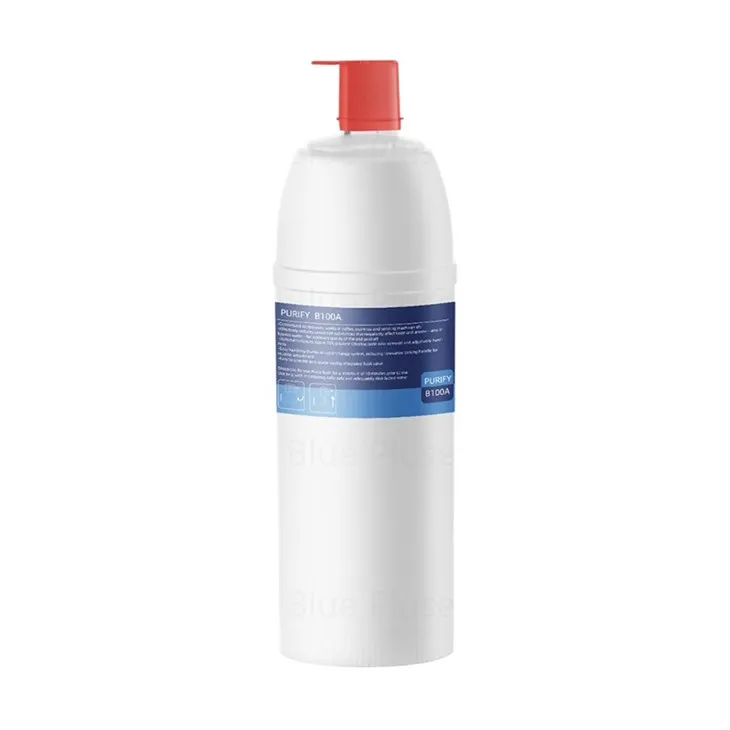
Water serves as a medium for coffee flavour. Depending on its composition, water can enhance coffee aroma or blunt it. A water filter can alter the water characteristics making it perfect for coffee brewing. As easy as it sounds, the choice of a proper water filter for a coffee machine can be a bit tricky. Hence, we have prepared a guide on water filters suitable for brewing coffee. We hope you will find it useful, informative and beneficial for your coffee shop, bistro or restaurant.


How does water affect the coffee taste?
Three main elements influence the taste of water. Some of them can spoil it if present in large amounts, others should be eliminated.
Carbonate hardness
Coffee taste depends strongly on water alkalinity and the sum of all minerals in it. Water alkalinity, also known as carbonate hardness, consists of hydrogen carbonate, calcium and magnesium minerals.
Carbonate hardness (alkalinity) directly influences coffee flavour. If it is too high, it neutralizes caffeic acids, which are crucial for coffee taste and aroma. As a result, the coffee brewed with hard water will be flat and unpalatable. If the water alkalinity is minimal, it also lacks calcium and magnesium minerals, which spice up the coffee flavour.
However, so-called soft water has an optimal level of alkalinity and minerals, preferred by the consumers, and is also better for brewing, as it delivers coffee with a fully developed aroma and pleasant, lasting taste.
Added substances
Water must be treated to be safe and consumption-ready. Before the water reaches your facility, it is conditioned with some chemicals to sanitize it and remove turbidity.
Chlorine, a common water disinfectant, can give an unpleasant odour and taste to the water, especially when combined with organic debris. If the water smells and tastes like chlorine, it will transfer to coffee as well, giving it an unpleasant aftertaste and dull fragrance.
Organic matter
Water is carefully inspected against any organic matter present in it. But even if strictly controlled, it still can be perceptible in the water, affecting the coffee taste and changing the coffee aroma profile.
Keeping up the brewing standards for water requires some effort, as it is a nuanced science. Luckily, the best water composition for coffee making has already been deciphered. It can be obtained and maintained by installing an effective water filter.
What a good water filter for a coffee machine should do?
A well-matched water filtering system for a professional coffee maker should eliminate or neutralize the substances and chemical compounds responsible for bad water taste and odour.
The choice of a water filter should be based on the chemical composition of the water at your premises. If you need to address more than one issue, a set of various water filters might be recommended.
Active carbon removes chlorine
If your water has a strong chlorine smell and taste, a carbon block filter is a must. Usually, a carbon block cartridge is installed as a pre-filter. It prepares the water for the next steps of filtration if needed. If chlorine aftertaste and unpleasant smell are your only problems with water, using active carbon will solve them.
The sediment filter removes dust, silt and sand
Is your water full of mechanical impurities? Or have you noticed it has a grey, dusty colour? Install a sediment filter. It will effectively cleanse water from any suspended solids. Use it as a pre-filter or at the final filtration stage to get rid of any dust that might collect e. g. after using an activated carbon filter. A sediment filter will ‘polish' and refine the water, making it ready for drinking.
Softening medium reduces water hardness
To effectively adjust the carbonate hardness level, a water filter with softening medium should be used, e. g. an ion exchange resin or Bluesoft+. Because water hardness can differ depending on the source and place, some innovative filter sets allow for mixing softened water with raw one to balance out the mineral content in the water.
Ultrafiltration saves flavour minerals
Ultrafiltration works best for slightly or moderately polluted water. It removes particulates and macromolecules up to 0.1 μm but keeps the flavour minerals, calcium and magnesium. Unlike reverse osmosis, ultrafiltration reduces pollution in the flow. It also does not throw raw water back into the sewage, making this filtration system sustainable and cost-effective.
Single-cartridge water filters can be effective only if the water you use is of good quality. Usually, water used for coffee machines needs treating on many levels. Therefore, it should pass through several filters to be ready for brewing. And at this moment you will probably ask yourself a question…
What about reverse osmosis – is it good for coffee brewing?
Reverse osmosis is a huge trend when it comes to drinking water filtration. It is the most thorough way of treating water, as it removes most pollutants and hard minerals. It seems like the RO treated water would be the best one for coffee brewing.
However, due to the extremely detailed filtration, water treated with RO lacks essential flavour minerals. Mineral-free water will over-extract coffee, making it taste flat and bitter.
To bring the mineral content back to the water, a remineralization cartridge should be used as the final stage of water filtration. The mineralization usually works efficiently and guarantees the full aroma of coffee.
Choosing the right water filter for your espresso machine requires some water knowledge. You need to test the water at your premises first, to learn about its composition. You should also assess the mineral content you need to deliver the perfect brew. With this information, you can pick an ideal water filter to match your expectations and needs.
3 Reasons Why Your Coffee Machine Needs a Water Filter
Having spent a lot of money on your coffee machine, the last thing you really want to do is spend more. So when you are offered a water filtration system, and you hear the price, it will be tempting to say "I'll think about it" or simply say "no thanks". That, however, would be a mistake and here are three reasons why.
Coffee is 98.7% water – so what goes in your cup affects the taste
Don't take our word for it that water quality is a major determinant of coffee quality. The Specialty Coffee Association of Europe has produced a report that shows exactly how water that is too hard/too soft or has too little/too much alkalinity, can affect the taste of your coffee. It really is a simple concept if we think that flavours in our coffee, like the chlorogenic acids, are well…. acids… and if your water is highly acidic, then you are compounding acidity. It's why you can love a brand of coffee in one city and find it insipid in another (assuming your barista isn't the major problem!).

Good coffee requires that hardness and alkalinity are within a certain range. This graph shows that for good coffee, hardness must be between 40 and 80ppm and alkalinity mut be between 40 and 100ppm.The graph they published is reproduced to the right and you can see that there is indeed a sweet spot area where coffee will taste its best.This is what you as a barista, café, restaurant, hotel owner or manager of a corporate coffee machine solution, want to ensure your customers and staff are experiencing. Of course for those who own automatic coffee machines or manual espresso coffee machines at home, this is the area you need to ensure exists for your own coffee enjoyment.
A good water filtration system will offer you this. It requires that your water is tested, and that the formula applied to determining just exactly what filter you need, is applied correctly.
Water filters remove impurities
Coffee taste is of course the most critical reason for installing the appropriate water filter system. However, no matter how much you are in the SCAE zone depicted above, if your water is tainted by chlorine or unsafe to drink, you'll still have unhappy customers or for home drinkers, an unsatisfactory coffee experience.
Water filters for coffee machines are therefore designed to remove particulate matter like algae, soil etc and also to remove the chlorine taste and odour. As this happens immediately prior to boiling in your coffee machine, there is no health hazard and in fact only a health benefit because heating water which contains chlorine can lead to the formation of unwanted chlorine chemical by-products.
Good water filters will also remove bacteria and cysts and you may be tempted to say "doesn't that happen when water is boiled so why do I need a water filter for that?" but the truth is that not all water goes to your boiler (and sometimes, boiler temperatures fall below that needed to kill cysts and bacteria). Some water will by-pass the boiler to be used in controlling water temperature or for direct dispensing and this can cause contamination. So it is always better to have the protection of a water filter.
Water filters reduce your maintenance costs
The water you use in your coffee machine will most likely come from a municipal water supply and the water supplied in Cape Town is different in its composition to that supplied in Johannesburg, London, New York or wherever you live.
The main differences are in its pH, total dissolved solids, general hardness and alkalinity levels, but of course, there are also going to be differences in chlorination levels, presence of heavy metals and of course bacteria, cysts and viruses.
The first thing you need to know is the level of each of these and then what you need to do about them. This is where expertise is needed because water chemistry involves a complex interplay between these parameters and selection of the right water filter heavily depends on this understanding.
Without getting into complex chemistry, the most important thing to realise is that your water can range from being corrosive to being scale forming in your equipment. There is absolutely no point in having a water filter that protects your equipment from scale build-up if your water is not scale forming. Makes sense, but unfortunately this is where bad advice can have you spending money to protect your equipment only to have to spend more money getting it fixed!
Water that is corrosive will damage your equipment as it interacts with the metal surfaces in tubing, boilers and brewers. It is not uncommon at all to find boilers that are pitted in areas where water is measured as corrosive. At the other end of the scale, water that is scale forming will deposit scale on metal surfaces that can block tubes and coat your heating surfaces with calcium carbonate, an excellent insulator. Your heating capacity and water temperature will decline over time and your electricity consumption will increase.
The end result is more cost. You'll have to replace pitted boilers, and your scale filled boiler will need to be acid washed to restore its surface back to a normal condition. These are not insignificant maintenance costs and will both impact your bottom line and your coffee quality.
We use the Langelier Saturation Index to calculate just where your water is on this scale that runs from highly corrosive to highly scale-forming and we determine where on that scale your water sits.
Once we know that, we can look at your water as it arrives at room temperature, through what it will do in your boiler at 95 to 100oC and if you have a coffee machine that makes steam, what it will look like at 125oC. Armed with that knowledge, we can recommend the correct filter (the FX-10 for softer water and the VH-IEN range for harder water) and when you are using a filter to protect you from scale-formation, we can set the bypass water flow to maximise the life of your filter.
Our suggestion
When investing in a coffee machine that will last many years if well maintained, there is little point skimping on the installation of the most appropriate water filtration system for your water quality.
The economics are quite simple. If a water filter can handle 20 000 litres and it costs you R 2000, then you are looking at 10c a litre or a mere 2-3c for each cup of coffee. Work that against a cost of replacing your boiler or the down time and technician cost for a boiler descale.
Why You Should Always Use Coffee Machine Water Filter
Filtered water offers many benefits to the average person, but we can see that there are huge benefits to be had when it comes to coffee. When making coffee, you want to look for clean, filtered water that has some but not too much mineral content. We recommend using water hardness test strips, which will allow you to check your water level at the office. Water activates the beans with a combination of heat and filtration, leading to bold flavors and taste.
High levels of water hardness can lead to buildup within your coffee machine. It's advised to check your water quality every three to four months, as it changes seasonally due to temperature changes as well.
Why Water is "Hard”
When drinking water leaves a treatment plant, it often includes chemicals ranging from chlorine to fluoride. As it moves through pipes and pours through your faucet, it will pick up any number of sediments present in the pipes as it travels to your faucet. Between dust, rust, and sediment and the chemicals that water treatment plants use to filter water through the pipes, the water isn't as fresh and clean as a spring from a mountain. This unfiltered water can lead to malfunctions or breaks with your coffee machine due to lime build-up.
The US National Coffee association recommends using filtered or bottled water. Some ways to cut down on costs, and waste is by installing a water filter system which attaches to your sink. These range in cost from 50$ USD to several thousands depending on the complexity of the device. Another option is to invest in a water filter pitcher, which often requires changing the filter every 3-4 months as well.
Making a good cup of joe' can require a little finesse. Besides focusing on quality water to extract the bean's essence, you want a good roast and bean quality. Coffee beans come in pre-ground packages and straight beans. It's always best to go for whole bean coffee, when you can!
Perfecting Your Cup
When it comes to brewing your coffee, you want it between 195- and 205-degrees Fahrenheit. If the water is too hot, it will scald the beans and cause a bitter-tasting roast. If it's too cold, the beans won't percolate, and no aromatic flavor will be released. Be sure not to over boil and let the water sit for a few moments to settle after it has reached boiling point. This doesn't affect cold brew coffee or French press coffee, which are brewed under different systems.
It is best to let the coffee cool to a moderate temperature of or below 140 degrees Fahrenheit before drinking.
Our Factory
Ningbo Blue Pluser Appliance Co.,Ltd, a Leader in Water Filtration with 300 Staff and 7 Production Lines, Nestled at the heart of our success is our state-of-the-art manufacturing facility. With 300 skilled professionals and seven advanced production lines, our factory is a testament to precision engineering and technological prowess. The facility is designed to meet the ever-growing demand for high-quality water filtration systems, ensuring efficiency and scalability in our operations.

FAQ
We're well-known as one of the leading coffee machine water filter manufacturers and suppliers in China. Please feel free to wholesale high quality coffee machine water filter for sale here from our factory. For more information, contact us now.
ro uv uf tds water purifier, Double Stage Counter Top Water Filter, Puricom Under Sink RO