


◆ Smart Faucet inform the cartridge life, TDS
◆ Optional with one way or 2 way
◆ Brass Material or SS304 material
◆ Other designs can be customized
Water Faucet
What is Water Faucet
A faucet is the fitting used in the end point of a plumbing system to control and deliver the water from the pumping system to the user.A faucet can consist of the following components: handle, spout, body, cartridge, aerator, valve, etc. When the handle is turned on, the valve opens and controls the water flow adjustment under any water or temperature condition.
Why Choose Us
01/
Our History
Ningbo Blue Pluser Appliance Co.,Ltd sarted from bottled water since 1995 make bottled water, bottled water pump, bottled water handle etc.
02/
Our Factory
With 300 skilled professionals and seven advanced production lines, our factory is a testament to precision engineering and technological prowess.
03/
Our Certificate
We have the NSF, Water Mark, LFGB, FDA, SGS, WQA, CE, RoHS, UL, CCC, ISO 9001, ISO 14000:14001 certifications.
04/
Product Application
Our water filtration systems find application across diverse sectors, including, reverse osmosis water filtration, coffee machine filter, residential, commercial, and industrial settings.
05/
Production Market
Our footprint extends across the globe, with products reaching over 50 countries. The international market presence is a testament to the trust and confidence that customers place in our water filtration solutions.
06/
Our Service
Beyond manufacturing, Blue Pluser places a strong emphasis on customer satisfaction. Our commitment to service goes beyond the sale, as we provide comprehensive support to our customers.
-
![Smart Water Faucet with Display]()
-
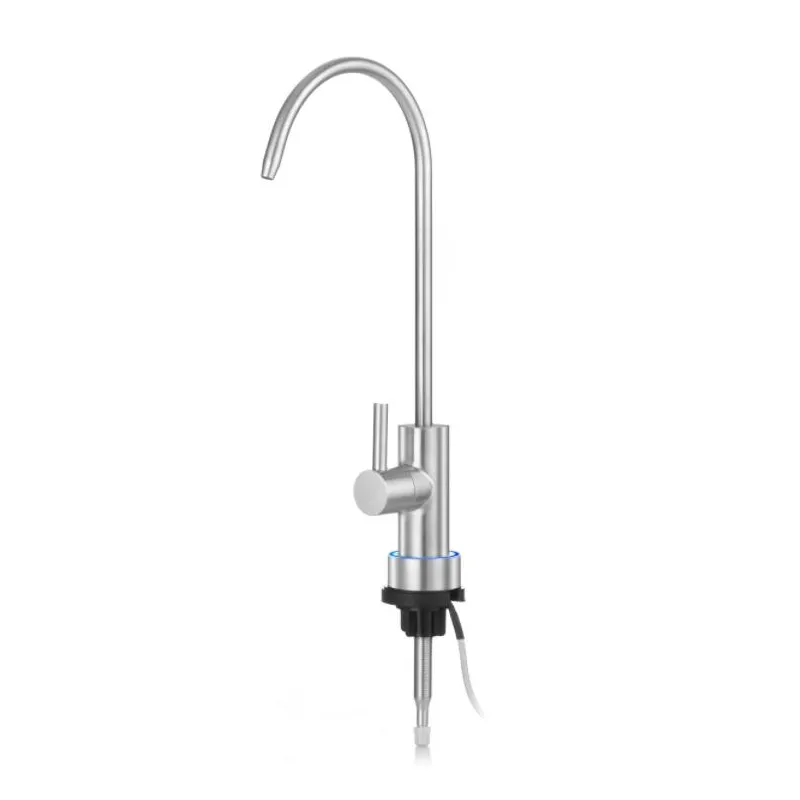
![Smart Water Faucet with Indicator]() Smart Water Faucet with Indicator◆ Smart Faucet with LED ring faucetread more
Smart Water Faucet with Indicator◆ Smart Faucet with LED ring faucetread more
◆ End of the cartridge life light turn red, normally in blue
◆ Can set the TDS value example below 100ppm in blue, above in red
◆... -
![Single Way SS304 Water Faucet]() Single Way SS304 Water Faucet◆ Single way faucet with chromeread more
Single Way SS304 Water Faucet◆ Single way faucet with chromeread more
◆ The color can be painted based on requirements
◆ 50pcs per carton -
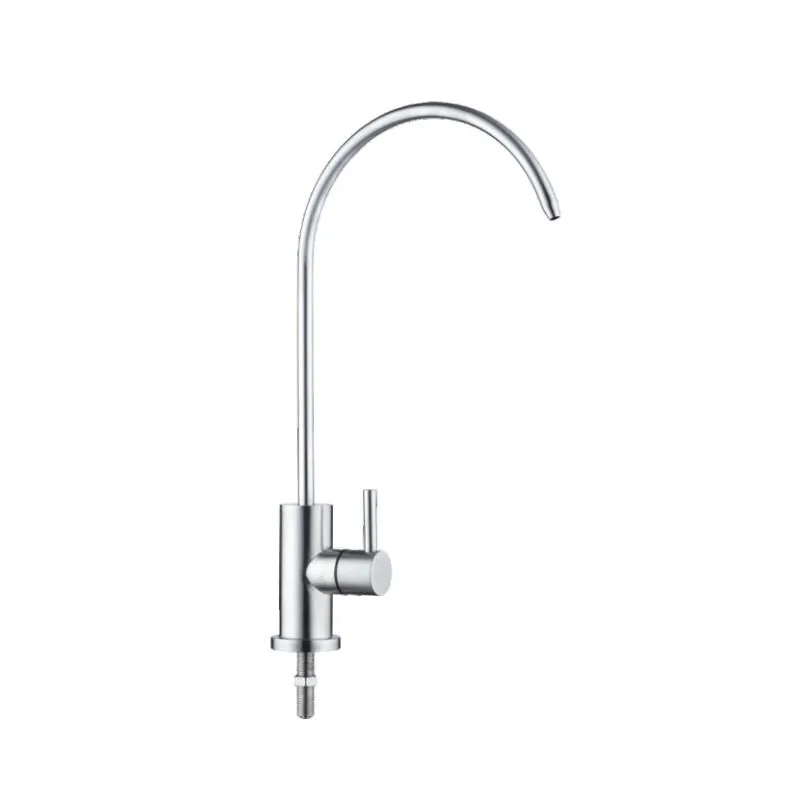
![Single Way Water Faucet]() Single Way Water Faucet◆ Lead Free SS304 one way faucetread more
Single Way Water Faucet◆ Lead Free SS304 one way faucetread more
◆ Colors can be customized
◆ One way and 2 way faucet both are ok
◆ Classic American type eco-friendly faucet -
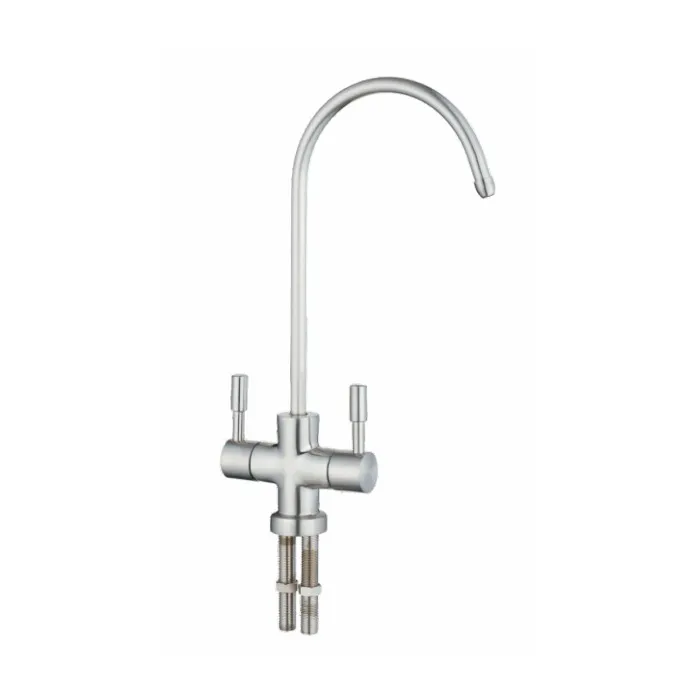
![2 Way Water Faucet]() 2 Way Water Faucet◆ One way or 2 way Satin Nickel Faucetread more
2 Way Water Faucet◆ One way or 2 way Satin Nickel Faucetread more
◆ With Chrome is available
◆ Classic brass faucet
◆ with quick connection port or screws -
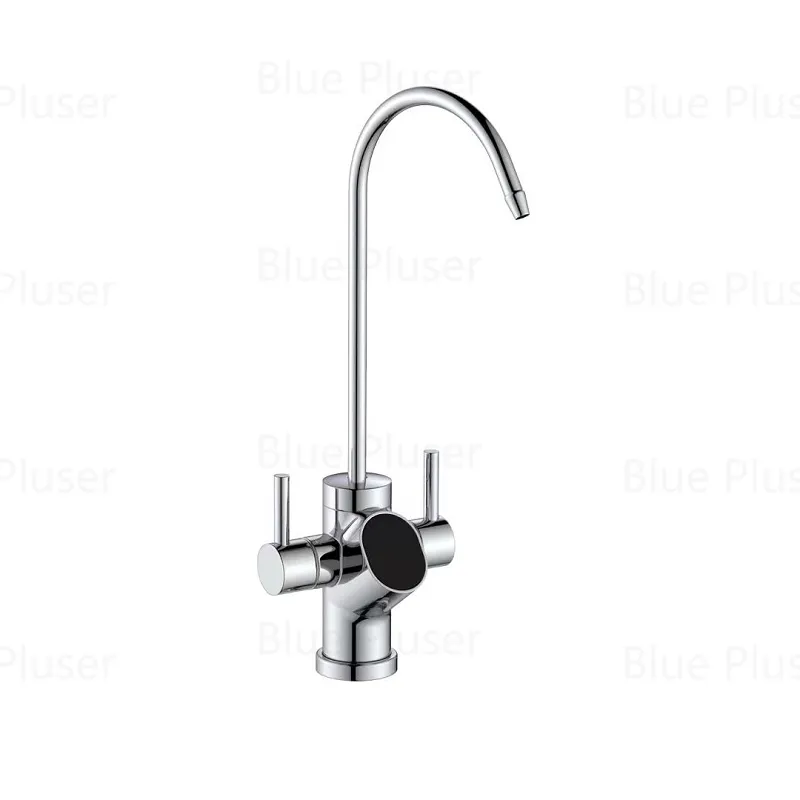
![3 Way Water Faucet]() 3 Way Water Faucet◆ 3 Way Water Faucet for Hot, Cold and Purified Waterread more
3 Way Water Faucet◆ 3 Way Water Faucet for Hot, Cold and Purified Waterread more
◆ Optional Chromed, Black, While Stain Nickel, SS304 materials
◆ With Competitive pricing
◆ With quick connection... -
![Soda Water Faucet]() Soda Water Faucet◆ 360 Swivel Spoutread more
Soda Water Faucet◆ 360 Swivel Spoutread more
◆ Purified Water, Chilled Water, Sparkling Water
◆ With High quality brass material and Ceramic Disc Valve
◆ Chrome, Matt Black, White, Nickel... -
![Sparkling Water Faucet]() Sparkling Water Faucet◆ 360 Swivel Spoutread more
Sparkling Water Faucet◆ 360 Swivel Spoutread more
◆ 3 ways Sparkling faucet for Purified Water, Chilled Water, Sparkling Water
◆ With High quality brass material and Ceramic Disc Valve
◆ Chrome, Matt...


Advantages of Water Faucet
Conserve Water and Save Money
Water Faucet are designed to reduce the flow rate without compromising performance. By limiting the amount of water coming out of the tap, they significantly cut down water wastage during everyday activities like washing hands, brushing teeth, or rinsing dishes. As a result, households can significantly reduce their water consumption, leading to lower utility bills.
Environmentally Friendly
The environmental impact of water waste cannot be underestimated. By opting for Saving Water Faucet, individuals play an active role in conserving this precious resource and mitigating water scarcity. Reduced water consumption also leads to less strain on water treatment plants, decreasing the energy required for water distribution and treatment processes.
Support Global Water Conservation Efforts
In many regions across the globe, water scarcity is a harsh reality. By using Saving Water Faucet, we contribute to the larger global effort of conserving water for future generations. It's a small yet meaningful step towards ensuring equitable access to clean water for all.
Reducing Energy Consumption
Saving Water Faucet not only conserve water but also help save energy. When less water is used, less energy is required to pump and treat water, which leads to reduced greenhouse gas emissions. This contributes to overall energy efficiency and helps combat climate change.
Maintaining Water Pressure and Quality
A common misconception about Saving Water Faucet is that they compromise water pressure. However, modern Saving Water Faucet are designed to maintain optimal water pressure while still reducing the flow rate. Additionally, some models come equipped with built-in filters that improve water quality by removing impurities and contaminants.
Extending the Lifespan of Plumbing Systems
Conserving water not only benefits the environment but also prolongs the life of your plumbing system. Lower water pressure means less strain on pipes and fixtures, reducing the likelihood of leaks and other plumbing issues. This leads to cost savings on repairs and maintenance in the long run.
Government Incentives and Rebates
In many regions, local governments and utility companies offer incentives and rebates for installing water-saving fixtures, including faucets. These incentives can further reduce the initial cost of purchasing and installing Saving Water Faucet, making them an even more attractive option for homeowners.
What is a Reverse Osmosis Faucet and Why do You Want One?
A water filtration system is necessary if you want to have clean, pure drinking water available in your home.
Under sink reverse osmosis systems are considered one of the best water filtration options and require a reverse osmosis faucet. Most systems come standard with a basic water dispensing faucet for free.
However, you also have options if you want a filter faucet that is designed to match your decor, want special features, or need a specific style.
Let's why so many people are installing RO faucets.
What is a Reverse Osmosis Faucet?
A reverse osmosis faucet is a dedicated faucet that connects to a reverse osmosis water filtration system and provides the filtered water.
They are usually made of metal and consist of a base that is installed into a hole in your countertop, a lever or dial to turn it on and off, and a narrow, arched tube that dispenses water.
They are designed to be compatible with your reverse osmosis system and you install it next to your normal sink faucet. When you want drinking water, you use the RO faucet, and when you need unfiltered water, you use the regular faucet.
The faucet with your RO system may also be called a reverse osmosis spout, RO spigot, or RO water tap.
How Do RO Faucets Work?
Reverse osmosis faucets connect to a water line that leads directly to your water filter or to a filtered water storage tank and not directly to your unfiltered plumbing.
When you turn on this special filtered water faucet with the integrated lever or dial, it opens an internal valve and dispenses filtered water.
Most faucets provide similar water flow since they are designed to match the output of the water filters they connect to.
How to Install
Installation of a RO drinking faucet can be very simple or difficult depending on your existing sink setup.
Since most reverse osmosis systems are installed in the kitchen to access clean cooking or drinking water, we will assume you are installing there as well.
If your sink already has an existing hole for a soap dispenser, sprayer, or a covered blank hole, the faucet can be easily installed there.
If you don't have any of those existing options, a custom sink, or another setup, you will need to drill a hole of the required size in the sink or counter for the faucet.
The faucet also requires a water line connection to the filtration system. The necessary tubes and other parts are included when you order a complete system.
What Should You Consider When Shopping for a Home Faucet?
If you want to find the top home faucet to add to your water filtration system, consider these important factors in your search.
Price
Depending on the quality and design of the faucet, its price could range from about $25 to several hundreds of dollars.
Remember that most RO filtration systems come with a free basic lead-free faucet that will match the average counter top.
An air gap faucet will usually cost more than a non-air gap faucet.
Flow Rate
The flow rate of the water can vary depending on the faucet valve but is more dependent on the size of the water line that connects the filters to the faucet. The common water line sizes are 1/4″ and 3/8″.
If the input valve on your faucet does not match the tube from the filters, you can get an adapter to change the tube size.
If you ever notice little or no flow of water, the problem is probably with your filtration system and not with the faucet itself.
Kitchen Color
Faucets come in many colors if you want one that complements your countertop or existing sink hardware. Chrome, copper, polished nickel, and black are all common color choices. However, most systems come by default with a shiny stainless steel faucet.
Brand
There are many brands distributing faucets in the market, so you can find the one that meets your standards.
In general, any of them should be fine if they are lead free and popular.
Quality
Lead free construction is a must if you search for a new faucet.
Obviously, quality usually comes at a higher price, so expect to pay more for a fancy water faucet.
Features
With the evolution of powered tankless RO systems, there are now RO faucets with various "smart" features, including:
TDS meters
Electronic RO faucet valves
Touch screens
Child locks
How Automatic Faucets Can Help Conserve Water
Is your business or commercial building interested in enhancing its company-wide sustainability while also reducing operating costs and monthly expenses? Learn how automatic faucets can help conserve water and boost your building's overall image.
The Importance of Water Conservation in Commercial Bathrooms
Before diving into the functions of automatic sink faucets, it's essential that you understand the importance of water conservation within modern businesses and commercial restrooms. Water conservation in commercial bathrooms is not just an environmental concern but also a financial one. From the environmental perspective, every drop of water saved contributes to preserving our planet's most vital resource. Additionally, promoting sustainable practices enhances a company's image and shows commitment to environmental responsibility.
On the financial side, reducing water use means lower utility bills each month. This is particularly significant for businesses such as hotels, restaurants, or office buildings, where the cost of utilities is substantial. By installing efficient fixtures like automatic faucets, business owners and building managers can significantly reduce water consumption, leading to notable savings over time.
Automatic Faucets: Water Conservation Capabilities
So how exactly can automatic faucets help conserve water? Unlike traditional faucets, which require manual operation and can often be left running accidentally, automatic faucets are equipped with motion sensors that detect the presence of hands under the spout and only release water when needed. This eliminates the risk of water being wasted due to negligence or forgetfulness.
In addition, many automatic faucets have a built-in timed shut-off feature. This means that even if an object is left in front of the sensor, the faucet will stop running after a predetermined amount of time, further preventing water waste. Finally, most automatic faucets feature regulated flow controls that ensure consistent water consumption every time the sensor is activated. Combined, these features conserve significantly more water than traditional sink faucets.
Additional Benefits of Automatic Faucets
Of course, implementing automatic sink faucets throughout your commercial building and facilities provides more benefits than superior water conservation and reduced utility expenses. One of the major advantages of automatic faucets is their ability to reduce the spread of germs and bacteria in restrooms. Traditional faucets require physical contact, which creates cross-contamination, especially in public or shared bathrooms.
Automatic faucets, on the other hand, are touchless and therefore eliminate this risk. Automatic faucets also enhance the image of your establishment by offering a more modern and high-tech restroom experience. A restroom equipped with automatic fixtures exudes an air of sophistication and attention to detail, which leaves a lasting impression on patrons.
Automatic faucets are more than just a modern amenity; they are a testament to how technology can drive sustainability, hygiene, and superior user experience. By incorporating these fixtures into commercial bathrooms, businesses can make a tangible difference regarding the environment, their finances, and overall customer satisfaction.
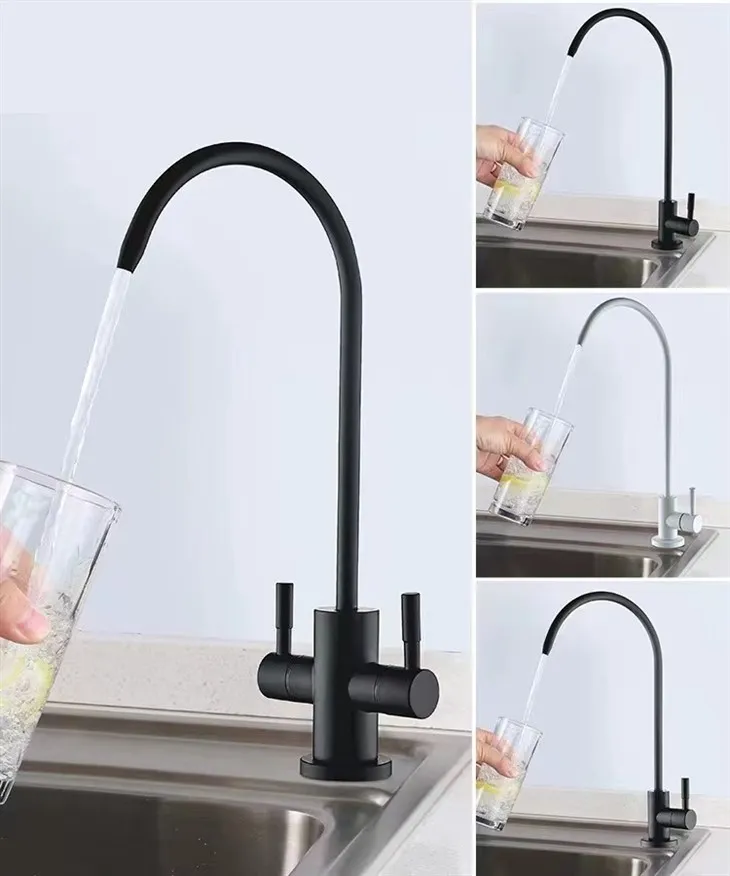
Types of Water-Saving Taps
Water-saving taps have a lot of benefits, but there are also different types.
One popular type is the sensor tap, which uses a sensor to turn on and off automatically. This helps save water because it only runs when you need it.
Another type is an aerator tap, which mixes air with the water so that less comes out while still giving you all the pressure you need.
A flow regulator can be added to any regular tap to help control how much water comes out.
Finally, continuous taps use motion sensors instead of buttons or levers; the water will run for as long as it senses movement near it!
These four types of water-saving taps provide many options for reducing water usage without sacrificing performance.
The Benefits of Installing High-Quality Faucets
Installing high-quality faucets in your home or workplace is a smart investment. Not only can it enhance the appearance of your kitchen or bathroom, it can also provide several benefits that you may not have considered before. In this article, we'll explore the advantages of installing high-quality faucets, and why it's worth spending a little extra money on them.
Durability
One of the most important benefits of high-quality faucets is their durability. They are made of durable materials that can withstand daily wear and tear, and are designed to last for years. Cheaper, low-quality faucets may seem like a good deal initially, but they often require frequent repairs or replacements, which can end up costing you more money in the long run. By investing in a high-quality faucet, you'll save yourself time and money and get a better-quality product.
Better Water Flow
High-quality faucets are designed to have a better, smoother water flow. They are equipped with aerators that mix air with water, reducing the amount of water that is used per minute. This can not only save you money on your water bill, but it can also reduce your environmental impact by conserving water.
Improved Health and Safety
High-quality faucets are also better for your health and safety. They often have built-in filters that remove impurities and bacteria from the water, providing cleaner and safer water for you and your family. Additionally, they are less likely to leak or break, reducing the risk of slip-and-fall accidents and water damage.
Style
Another benefit of high-quality faucets is their stylish appearance. They are available in a variety of styles, finishes, and designs, allowing you to choose a faucet that matches your decor and personal taste. With high-quality faucets, you can create a beautiful and functional space that you'll love to spend time in.
Easy Maintenance
Finally, high-quality faucets are often easier to maintain than low-quality ones. They are designed with fewer moving parts, which means they are less likely to break and require less maintenance. Additionally, many high-quality faucets feature a simple installation process, which means you can install them quickly and easily without the need for a professional.
Why You Need A Faucet Filter For Home
Thirsty for a large cup of cold water on a summer day? You may have to think twice. Many homeowners simply assume their tap water is clean and healthful, but that's not always the case. Tap water often contains contaminants, even when it looks and tastes just fine. Some impurities are relatively harmless, but others are toxic or can wreak havoc on appliances and fixtures.
To ensure you're drinking clean water, it's best to invest in a standard faucet mount filter, also known as a tap water filter, for your kitchen faucet. It's especially important now as people are at home more than ever and relying on their tap at a greater rate. Faucet filters remove contaminants found in tap water, including bacteria and heavy metals like lead, encourages hydration, and protects the environment by reducing the need for plastic, all of which provide an overall healthier experience.
Removes contaminants found in tap water
The main reason to install faucet filters in your home is to have a water filtration system that can remove the lingering contaminants found in faucet water. The Environmental Protection Agency (EPA) implemented standards on the amount of over 90 contaminants found in drinking water. There are regulations for chemical contaminants, such as arsenic, lead, copper, and microbial contaminants, such as coliform and other bacteria.
The assigned legal limit reflects the level that protects human health. However, states can enforce more stringent standards as long as the minimum EPA levels are upheld. Each year, water suppliers are supposed to issue a Consumer Confidence Report to detail the quality of your tap water. As we've learned over the years, not all municipalities follow the same protocols. Some have less stringent testing or outdated plumbing systems that make the drinking water for residents non-potable.
A faucet water filter strips out these contaminants from your tap water. specifically, goes through an advanced process of purification that first filters out dirt, rust, and solid sediments found in faucet water. It then filters out smaller particles, such as radon, hydrogen sulfide, and other impurities found in tap water via an activated carbon filter. This also removes any unpleasant odors and tastes. Some filtration systems require a filter replacement after a certain period of time. It is essential to remember to purchase a replacement filter cartridge, should you need one, to ensure there is no wanted buildup from those contaminants. This can prevent the water filter system from purifying water successfully.
method to remove any remaining contaminants or dissolved solids, such as lead, bacteria, heavy metals, and viruses. It's five times more efficient than anything else available on the market today. Increased activity at home means you and your family are relying more on your tap water as your go-to source of hydration. A faucet filter can ease concerns about the quality of your tap water.
Eliminates lead leached from outdated water systems
Many municipalities and homes have outdated water filtration systems that use lead pipes to transport water from its source to your tap. Homes constructed prior to 1986 have a higher likelihood of containing lead pipes or use lead soldering for brass fixtures. Over time, corrosion dissolves the metal and causes a chemical reaction that allows lead to leach into the water.
Modern day water filtration systems are required to follow the requirements set forth by the EPA's Lead and Copper Rule, but older systems take time and money to replace, which often delays progress for city plumbing systems. Since lead accumulates in the body over time, the longer you are exposed to it, the more it builds up and can cause adverse effects.
Children and women who are pregnant are especially susceptible to lead exposure. A faucet filter removes any traces of lead in drinking water, making it safe to consume.
Encourages hydration during the day
Although everyone knows drinking water is healthy for you, you're more likely to drink the recommended amount of water per day when it comes from a trusted water filter system and simply tastes good. While most tap water is deemed safe to drink, the look and taste may not be appealing. Sometimes, filtered water and unfiltered water have visibly noticeable differences. The type and amount of sediment and chemicals present in your tap water may result in discoloration and an unpleasant smell and/or taste.
Protects the environment by eliminating plastic
Rather than rely on plastic water bottles, a faucet filter helps to minimize the use of plastic in your home. This cuts down on the amount of microplastics and toxins you consume and that are released into the air. It also saves on costs from purchasing cases of bottled water or water jugs month after month.
The recommended daily water intake is at least eight glasses of water a day. Multiply this by 30 days in a month, and the number single-use plastic water bottles needed to fulfill this quickly adds up. By investing in an at-home faucet filter, there's no limit to the amount of purified water you have at your disposal each month.
Additionally, since a faucet filter encourages the use of reusable water bottles, you can take them on-the-go when you do return to work, travel, or head out to sporting events or activities. It saves on costs from buying bottled water in stores while maintaining the convenience of having filtered water available to you at all times.
Differences in filtration systems
Now that you understand more regarding why a faucet filter is a smart investment for your home, it's good to know a little more about filtration systems in terms of how they work and their level of effectiveness. Among the ones outlined by the Centers for Disease Control and Prevention are reverse osmosis, distillation, and UV treatment systems.
Reverse osmosis
When it comes to at-home use, reverse osmosis is one of the most popular filtration systems. This process filters the water through a semipermeable membrane that captures the smallest contaminants often found in tap water for a high level of purification.
Distillation
Distillation follows a process of heating water to a boiling point and collecting the water vapor as it condenses, which leaves many of the contaminants behind. It's deemed highly effective in removing bacteria, viruses, and chemical contaminants such as arsenic, chlorine, lead, and nitrates.
This process also removes valuable minerals and elements like sodium and magnesium found in tap water without replenishing the water. For many, it doesn't leave a pleasant taste and doesn't maintain the value of drinking water for nourishment.
Ultraviolet treatment
This water treatment is a process that uses ultraviolet light to disinfect the water. While this method helps to eliminate bacteria and viruses, it doesn't remove contaminants like heavy metals, nitrates, and other chemicals found in the water. It requires pre-filtration to reach the same levels of effectiveness of reverse osmosis or distillation.
Each of these filtration methods offer their own benefits. However, since filters can't differentiate between what's a valuable mineral or a harmful chemical as it removes pollutants from your tap water, having a system in place that both purifies and improves the water is key.
Our Factory
Ningbo Blue Pluser Appliance Co.,Ltd, a Leader in Water Filtration with 300 Staff and 7 Production Lines, Nestled at the heart of our success is our state-of-the-art manufacturing facility. With 300 skilled professionals and seven advanced production lines, our factory is a testament to precision engineering and technological prowess. The facility is designed to meet the ever-growing demand for high-quality water filtration systems, ensuring efficiency and scalability in our operations.

FAQ
We're well-known as one of the leading water faucet manufacturers and suppliers in China. Please feel free to wholesale high quality water faucet for sale here from our factory. For more information, contact us now.
Drain Clamp Water Valve, Resin Cartridge, Water Faucet with indicator